Many people want to believe that having a glass or two of red wine or other alcoholic beverages on a near-daily basis is good for their health. But is this a myth based upon bad science and marketing?
Es una creencia común, pero sin una base científica sólida, según un nuevo análisis. La idea de que una copa de vino al día -o similar- es buena para la salud se ha instalado en parte de la población durante años, pero es errónea y está basada en estudios que usan métodos sesgados: no existe un nivel de consumo de alcohol seguro.
Alcohol | Consejos para beber con moderación
El mito de la "paradoja francesa" y el vino tinto
The idea that wine is a healthy food started in 1991 on an episode of the popular news show 60 Minutes in the United States. The segment brought up the idea that red wine consumption was responsible for the "French Paradox," which referred to the lower risk of death due to cardiovascular disease in the French population despite higher dietary cholesterol levels.
The hypothesis was that the presence of antioxidant polyphenols in wine, especially red wine, was responsible for the French Paradox.
The compound resveratrol received a lot of credit, but the resveratrol content in a 5-oz glass of red wine ranges from only 0.03 to 1.07 mg, while in white wine, it ranges from 0.01-0.27 mg. Subsequent studies showed this very low level of resveratrol is not associated with any benefit in reducing cardiovascular, cancer, or all-cause mortality.
Lea también: Los mejores sitios para caviar y vodka en Rusia
Resveratrol is associated with various health benefits but is best obtained from supplements providing a dosage of 500 to 1,000 mg daily. It would take roughly 500 to 1,000 glasses of wine to give this amount of resveratrol.
There are other polyphenols with antioxidant properties in wine with potential cardiovascular benefits. However, the levels are far less than those from dietary and supplement sources with confirmed heart benefits.
The notion that wine was the responsible factor for the French Paradox is highly unlikely when dietary and lifestyle factors are considered. First, some population-based studies showed that drinking as little as one glass of wine per month was protective against cardiovascular disease. This amount is so small it is improbable that it is a responsible factor for any beneficial effects observed.
The protective benefits are easily explained by other diet and lifestyle factors. For example, the Copenhagen Heart Study showed that those who drank wine also consumed twice as much daily vegetables and fruit.
Lastly, many people place too much value on the role of wine as part of the Mediterranean diet, the most well-documented dietary strategy for promoting heart health. This diet is a rich source of health-promoting compounds, including polyphenols and other phytochemicals, even without wine consumption. The alcohol component provides no beneficial effect as it is a cellular toxin that stresses antioxidant mechanisms. Given the health risks with even moderate wine consumption, focusing on dietary and supplemental sources of heart-healthy compounds makes more sense than red wine.
Lea también: Alcoholismo: ¿Puede la Homeopatía Ayudar?

¿Qué se considera consumo moderado de alcohol?
Para empezar, es importante destacar que no todos los licores tienen el mismo nivel de alcohol. Según la enciclopedia médica MedlinePlus, la cerveza suele tener alrededor de un 5% de este componente, el vino entre 12% a 15%, y otros tragos más fuertes se ubican mucho más arriba, como en el 45%.
Teniendo esto en cuenta, el portal de la Biblioteca de Medicina de Estados Unidos acota que tomar con moderación “significa que beber no es intoxicarse (o embriagarse) y que usted no consuma más de 1 trago al día, si es una mujer, y no más de 2, si es un hombre. Un trago se define como 12 onzas (350 mL) de cerveza, 5 onzas (150 mL) de vino o 1.5 onzas (45 mL) de licor fuerte”.
La clínica estadounidense Mayo propone niveles similares, definiendo “una copa” como “12 onzas (355 mililitros) de cerveza, 5 onzas (148 mililitros) de vino, 1,5 onzas (44 mililitros) de licores destilados de 80 grados”.
Por supuesto, todo no incluye a las siguientes personas, que en ningún caso deberían tomar alcohol: embarazadas, pacientes con enfermedad hepática y pancreática relacionada con el consumo de alcohol, insuficiencia cardíaca o el corazón débil, y quienes toman ciertos medicamentos que podrían verse afectados con este compuesto.
El impacto del consumo moderado en la mortalidad
The American Heart Association and other medical organizations around the globe imply that drinking in moderation provides some health benefits, but newer data shows that it does not. In addition, the World Health Organization is quite clear that alcohol is a toxic substance responsible for much harm to health and society.
Lea también: Guía de Cócteles y Música
Among other things, alcohol consumption is associated with considerable toxic effects on the brain, liver, digestive system, heart, blood vessels, and immune system. Alcoholic beverages also increase the risk of several types of cancer and are classified as carcinogenic by the International Agency for Research on Cancer.
In looking at data on the impact of alcohol consumption and health, it is important first to define "moderate" alcohol consumption, generally referred to as the intake of 100 to 200 g of alcohol per week. Let's take a look at reaching this level of intake with wine. One bottle of wine (750 ml) contains five glasses, with each glass providing 5 oz of wine, which is 12% alcohol. One glass would be the equivalent to 14 g of pure alcohol. The same is true with 12 oz of regular beer (5%) or 1.5 oz of distilled spirits at 40% alcohol.
Consuming 100 to 200 g of alcohol per week would translate to one or two alcoholic drinks per day. The big question is, does a weekly intake of 100 to 200 g of alcohol promote health or longevity? The answer is a strong no.
In fact, according to a detailed meta-analysis in the medical journal The Lancet, a weekly intake of 200 g of alcohol compared to 100 mg carries a loss of 1-2 years of life expectancy at the age of 40. In people under the age of 40, alcohol consumption at any level is associated with no health benefits at all and only harm.
Despite evidence to the contrary, where alcohol intake may show some health benefits is limited to people over forty years old who have "limited" consumption of alcohol. That translates to less than one glass of wine per week or longer. That is a much lower intake than one or two glasses of wine per day.
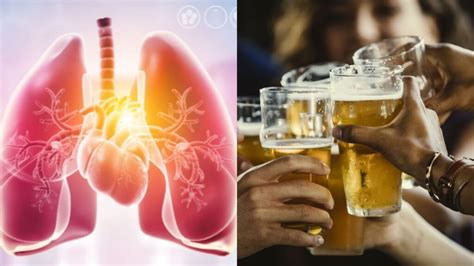
El acetaldehído y la toxicidad del alcohol
Alcohol is a cellular toxin, and how it is metabolized in the body gives rise to the potential of even more significant toxicity. When alcohol hits the liver, it is metabolized by an enzyme called alcohol dehydrogenase (ADH) into an even more toxic compound known as acetaldehyde, which is about 1,000 times more harmful than alcohol.
Acetaldehyde is mainly responsible for many of the harmful effects of alcohol consumption and the addictive process itself. Some people lack sufficient levels or activity of an enzyme known as acetaldehyde dehydrogenase (ALDH). These people are susceptible to more harmful effects of alcohol and alcohol dependence. The reason is that acetaldehyde is not being broken down properly. Typically, ALDH converts acetaldehyde to acetic acid and water.
ALDH deficiency causes "alcohol flush reaction," which reflects a person developing redness on the face, neck, shoulders, and in some cases, the entire body after consuming alcoholic beverages. It is also associated with an increased heart rate, nausea, and headaches. ALDH deficiency is one of the most common inherited enzyme deficiencies. It affects about 35 to 40% of Asians and roughly 8% of the world population. People with this deficiency who regularly experience an alcohol flush reaction should avoid alcohol consumption altogether as they risk increased cellular harm.
Efectos perjudiciales del alcohol en la salud
On a cellular level, alcohol consumption has a deleterious effect at any dosage, but with increasing dosages, these effects become progressively more severe. Again, alcohol and acetaldehyde are direct cellular toxins. Here are some other adverse effects of alcohol:
- Alcohol is a source of empty calories. Each alcohol-based drink contains approximately 100 to 150 calories. The body converts alcohol primarily into fatty acids.
- Alcohol consumption stresses blood sugar control and may produce reactive hypoglycemia (low blood sugar).
- Alcohol is a central nervous system depressant, which may result in low mood and energy levels.
- Alcohol interferes with energy (ATP) production producing easier fatigue and lack of endurance.
- Alcohol consumption on a regular basis produces a fatty infiltration of the liver and impaired liver function in almost all people.
- Alcohol use inhibits the absorption of nutrients or leads to nutrient depletion, especially in water-soluble vitamins such as B vitamins and minerals.
- Alcohol consumption cancels out many of the physiological benefits of physical exercise.
- Alcohol lowers immune function and impairs the body's ability to heal.
- Alcohol consumption can decrease the secretion of human growth hormone (HGH) by as much as 70 percent.
This list is only on the physiological effects of alcohol. The overall costs of alcohol and alcoholism on health care and society are immeasurable. Still, estimates are around 2.5% of developed countries' gross domestic product (GDP), which translates to roughly $525 billion for the United States.
Cómo proteger la función hepática
Central to protecting against the damaging effects of alcohol in those choosing to drink alcohol is to limit intake to no more than one serving of alcohol per day. A serving is defined as one 5-oz glass of wine, 12 oz of beer, or 1.5 oz of a distilled spirit per day at most. Anything above this level is likely to harm your health significantly.
It is essential to protect and support liver function if you drink alcohol, even at a low-moderate level and certainly at higher levels. Even moderate amounts of alcohol are enough to produce fatty liver infiltration. Since the liver is the main organ of metabolism and detoxification, this sign of damage and impaired function is quite significant. Fatty liver disease is also prevalent in people who are overweight. Weight loss often produces a complete resolution of this sign of liver impairment.
Dieta y suplementos para el hígado
The most important dietary guidelines for supporting good liver function include: avoiding refined sugar and flour products, drinking at least 48 ounces of water each day, and consuming plenty of vegetables, especially for their high water-soluble fiber content and rich supply of detoxifying enhancing phytochemicals. Some specific foods are particularly helpful because they contain the nutrients and phytochemicals your body needs to produce and activate the dozens of enzymes involved in the various phases of detox. Supplying higher levels of omega-3 fatty acids may help improve the situation.
Vitamin C: Alcohol consumption increases the need for vitamin C and other antioxidants.
Suplementos adicionales para el apoyo del hígado
- Glutathione or N-acetylcysteine (NAC): 500 to 1,200 mg per day - Glutathione improves the breakdown of alcohol and acetaldehyde. It also is critical in protecting the liver from damage. NAC is converted in the body to glutathione.
- Carnitine: Carnitine supplementation has shown significant beneficial effects in protecting against alcohol-induced fatty infiltration of the liver and improving liver function.
- R-Alpha-lipoic Acid: This antioxidant protects liver cells and also increases the activity of ALDH to break down acetaldehyde.
- Milk thistle extract: The most critical herbal support for protecting the liver against damage.
- Soluble fiber (PGX®, apple pectin, guar gum, etc.): Dietary fiber is essential in supporting a healthy intestinal barrier and microbiome, thereby reducing the stress on the liver.
Estudios recientes y conclusiones
Investigadores de la Universidad de Victoria combinaron los resultados de 107 estudios con más de 4,8 millones de participantes y determinaron que, en comparación con las personas que no bebieron durante toda su vida, las personas que beben moderadamente (menos de 25 gramos de alcohol o menos de dos tragos por día) no tienen un menor riesgo de mortalidad.
Tim Stockwell, coautor del análisis e investigador de la Universidad de Victoria, dijo que “la evidencia de los beneficios para la salud se ha vuelto cada vez más débil” cuando se trata de pequeñas cantidades de bebida.
“Solo tenemos que ser muy escépticos con respecto a la evidencia científica o los estudios científicos que sugieran que existen beneficios para la salud”, añadió Stockwell.
La Dra. Noelle LoConte, oncóloga de la Universidad de Wisconsin-Madison que no participó en la investigación, dijo que a menudo atiende a pacientes que creen que un trago o dos podrían ser buenos para ellos.
“Lo primero que obtengo por el rechazo es: ‘Bueno, tal vez un poco de vino ayude con el riesgo de enfermedad cardíaca’”, dijo. Pero desde su perspectiva, añadió LoConte, el análisis de Stockwell “nos ayuda a definir claramente que probablemente el alcohol no tiene ningún beneficio para la salud”.
Sin embargo, el nuevo análisis encontró un mayor riesgo de muerte entre las personas que bebían 45 o más gramos de alcohol por día, alrededor de tres tragos o más.
Los resultados también sugieren que los riesgos asociados con la bebida dependen del sexo de la persona. Se demostró que las mujeres que bebían dos o más tragos por día tenían un mayor riesgo de mortalidad en comparación con las mujeres que nunca habían bebido. Mientras tanto, los hombres que bebían tres o más tragos por día vieron un riesgo elevado en comparación con los hombres que no bebieron durante toda su vida.
“La explicación obvia más probable es que los cuerpos de las mujeres procesan el alcohol de manera diferente. Sus hígados son más pequeños, en promedio”, dijo Stockwell. “Sin embargo, otro factor es que los hombres, en promedio, beben más que las mujeres y debido a que tienen más tolerancia y lo metabolizan de manera más eficiente, eso también puede dar la apariencia de un daño relativamente menor por unidad de alcohol”.
El alcohol y el riesgo de cáncer
En enero de 2023, la Organización Mundial de la Salud (OMS) posicionó al alcohol como sustancia tóxica en el grupo de mayor riesgo, junto a la radiación y el tabaco, porque puede causar al menos siete tipos de cáncer como el de mama y colon, y aseguró que “ningún nivel de consumo de alcohol es seguro para nuestra salud”.
El alcohol también está relacionado con un mayor riesgo de varios tipos de cáncer. Estudios han demostrado que el consumo de alcohol puede incrementar las probabilidades de desarrollar cáncer de boca y garganta, esófago, hígado, colon, recto y mama. Estas asociaciones subrayan el peligro de consumir alcohol incluso en cantidades moderadas, ya que puede contribuir al desarrollo de estas enfermedades graves.
La influencia de la industria del alcohol en la investigación
Gran parte de la investigación que sugiere que el consumo moderado de alcohol puede tener efectos positivos para la salud ha sido financiada por la industria del alcohol. Un informe reciente destacó que aproximadamente 13,500 estudios sobre los supuestos beneficios del consumo de alcohol fueron financiados directa o indirectamente por la industria del alcohol. Esto ha generado preocupaciones sobre la imparcialidad de estos estudios y los posibles sesgos en la interpretación de los resultados.
La industria del alcohol ha promovido activamente la idea de que el consumo moderado es saludable, utilizando estudios patrocinados para respaldar estas afirmaciones. Estos estudios a menudo destacan los efectos positivos del alcohol sobre la salud cardiovascular y el bienestar psicológico, pero tienden a minimizar o no considerar adecuadamente los riesgos asociados con el consumo de alcohol, como el aumento del riesgo de cáncer, enfermedades hepáticas y problemas de salud mental.
Además, los estudios observacionales que muestran una relación entre el consumo moderado de alcohol y una mejor salud cardiovascular pueden estar sesgados debido a factores de confusión. Por ejemplo, las personas que beben moderadamente a menudo tienen un estilo de vida más saludable en general, con mejores dietas y niveles más altos de actividad física, lo que podría explicar las asociaciones observadas más que el alcohol en sí mismo.
El consumo de alcohol en Europa y a nivel mundial
Los europeos son los mayores bebedores del mundo, con un consumo anual promedio de 9,2 litros de alcohol puro por habitante. "La región europea sigue ostentando el récord poco envidiable de los niveles más altos de consumo de alcohol y los daños relacionados con él en el mundo", declaró el doctor Gauden Galea, un responsable de la OMS Europa citado en el comunicado, basándose en los últimos datos disponibles de 2019.
En los países de la Unión Europea, "no ha habido cambios significativos en los niveles de consumo de alcohol en más de diez años", lamentó la OMS.
Por su parte, los habitantes de América ocupan la segunda posición según el último informe de la OMS publicado en junio sobre el consumo mundial de alcohol, con un promedio de 7,5 litros cada año.
En tanto, el comunicado establece que los hombres poseen el consumo de alcohol más alto en Europa: 14,9 litros al año en promedio, es decir, cuatro veces más que las mujeres (cuatro litros al año).
| Región | Consumo promedio anual de alcohol puro por habitante (litros) |
|---|---|
| Europa | 9.2 |
| América | 7.5 |